
Journal
A quiet space to think out loud about therapy and the human experience. I’m returning to writing as a way to process, reflect, and stay curious about the work we do. You’re welcome here, whether you’re in therapy, considering it, or simply navigating life.

Hormones and Mental Health: Why Your Mood Might Feel Different Throughout the Month
Have you ever noticed that your anxiety, mood, concentration, or emotional sensitivity seems to change depending on where you are in your menstrual cycle? Hormonal fluctuations can influence mental health for some people who menstruate, and these changes may become especially noticeable with conditions like anxiety, ADHD, PMS, PMDD, or during perimenopause. Understanding these patterns can help you make more sense of what you’re experiencing and identify the support you may need.

ADHD and Relationships: Why Small Things Turn Into Big Fights
ADHD can affect more than attention and organization. It can also influence communication, household responsibilities, emotional reactions, and conflict within romantic relationships. Learn why small issues can turn into recurring arguments and how couples can better understand ADHD, break unhelpful patterns, and work together more effectively.

do i have adhd or am i just overwhelmed?
Difficulty concentrating, procrastinating, forgetting things, and feeling constantly behind can make you wonder whether you have ADHD, or whether life has simply become overwhelming. Learn how adult ADHD, anxiety, stress, and executive functioning difficulties can overlap and what may help you tell the difference.

What Is the Window of Tolerance? A Guide to Understanding Your Nervous System
Have you ever wondered why you can handle stress well one day but feel overwhelmed the next? Learn what the Window of Tolerance is, why your nervous system reacts the way it does, and how therapy can help you build greater emotional resilience.

What Are DBT Skills? Understanding the Four Core DBT Modules
Learn what DBT skills are, how DBT is structured, and how mindfulness, distress tolerance, emotion regulation, and interpersonal effectiveness can improve mental health.
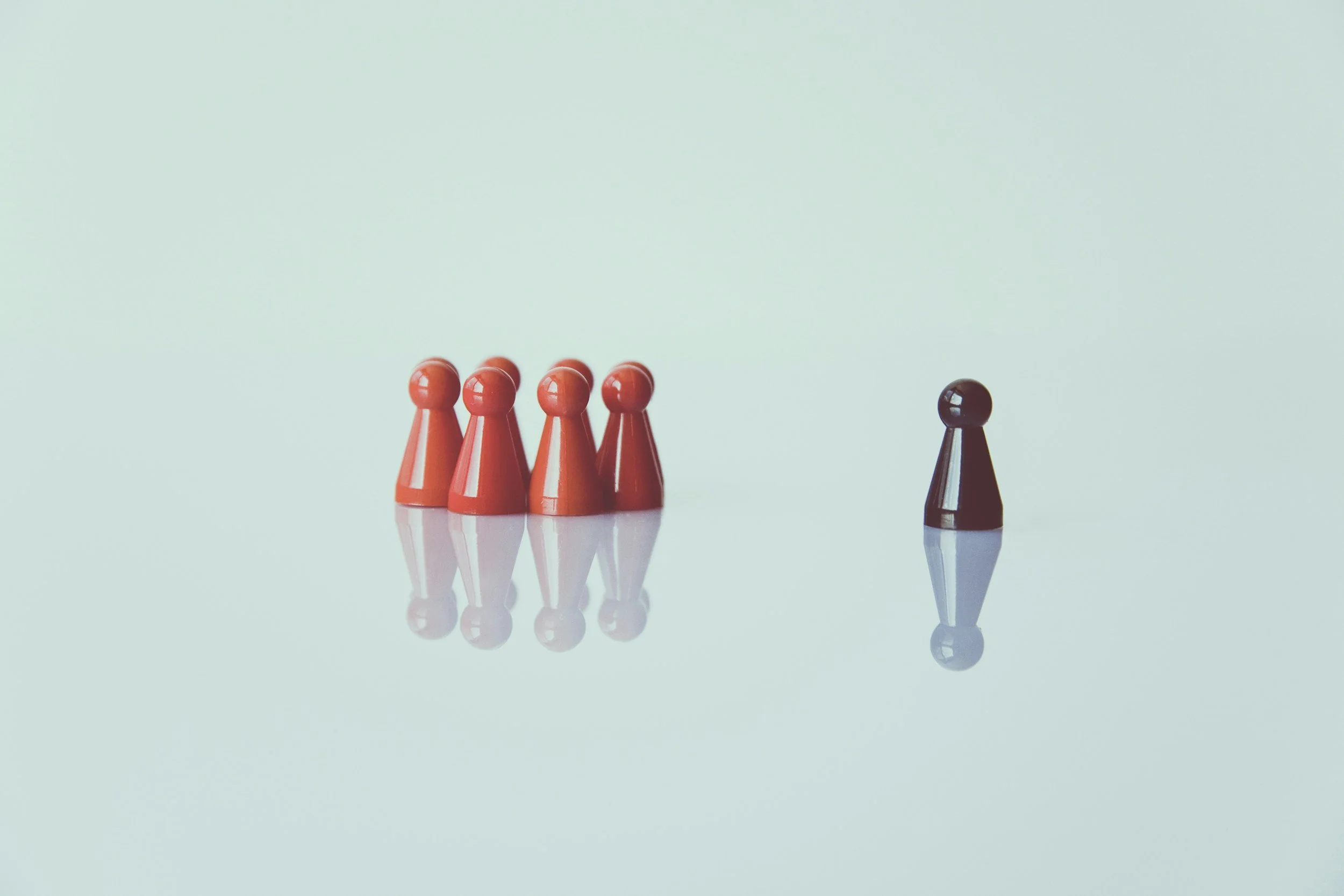
What Is Masking? How ADHD and Autism Masking Shows Up in Women
Many women with ADHD and autism spend years masking their symptoms without realizing it. Learn what masking is, why it often goes undetected in women, and how unmasking can support greater self-understanding, authenticity, and well-being.

Signs of adhd you might of missed
ADHD doesn't always look the way people expect. From hyperfocus and time blindness to rejection sensitivity and social hangovers, this article explores commonly overlooked signs of ADHD in adults.